Rahlstedter Hof
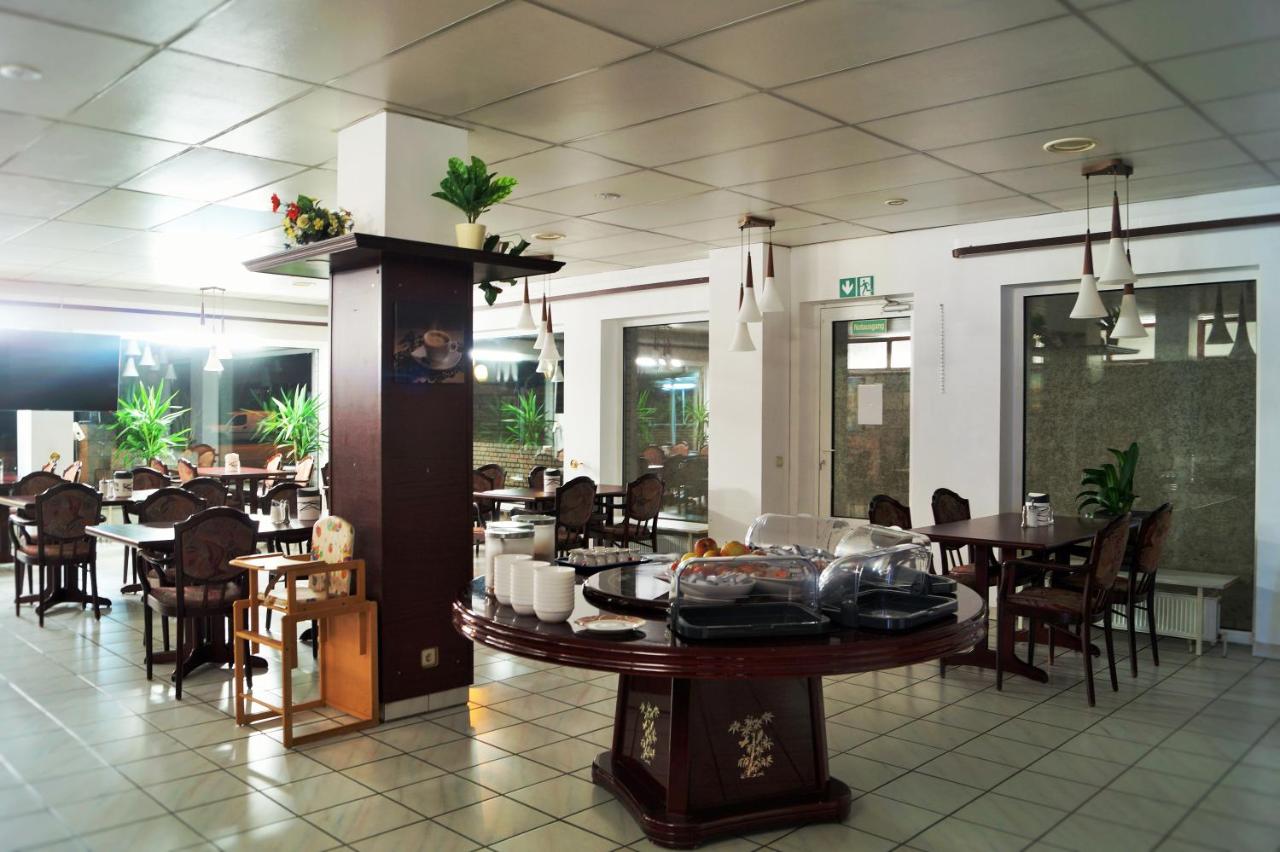


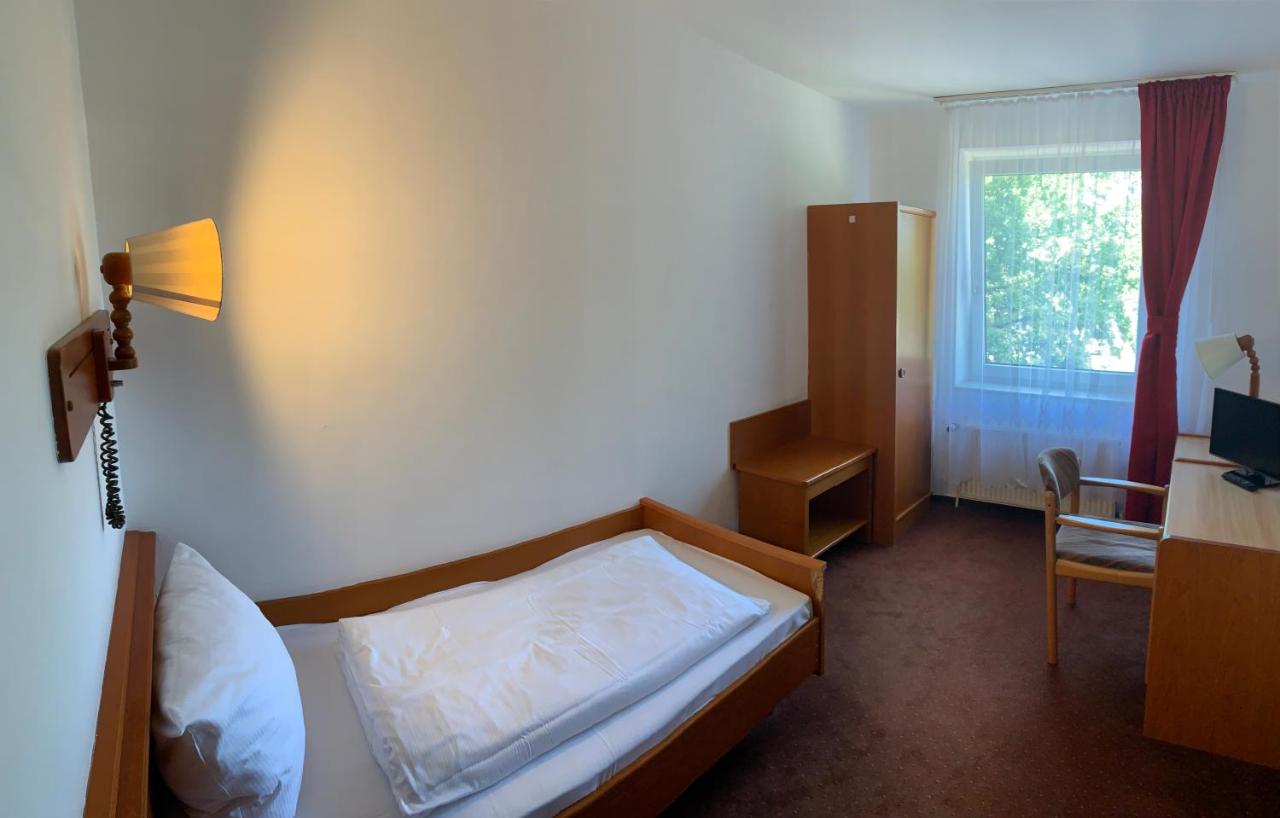
Peacefully situated in the Wandsbek district of Hamburg, this hotel offers bright rooms with free Wi-Fi in the rooms and public areas. The city centre is a direct underground ride away. Your room at the Hotel Rahlstedter Hof includes cable TV, a desk and a bathroom with shower and hairdryer. Trabrennbahn Underground Station is a 15-minute walk away, and takes you quickly to the Jungfernstieg in the heart of the city. Hamburg Airport is less than 20 minutes away by car. There are many lakes and parks in the surrounding area, including the Botanische Sondergarten Wandsbek (1.5 km) and the Eichtalpark ( 2 km).
Book a room

See more photos
Booking.com
What to see in Hamburg
Hamburg (in German, hamburg pronounced/ˈhambʊʁk/(listening); in a German bass, Hamborg, locally: [ˈhambɔːç]), officially free and haseatic city of Hamburg [n. (In German, Freie und Hensestadt Hamburg) is a German city-state [n. located in northern Germany. It has an extension of 755 km² and 1 857 727 inhabitants (November 2020). Hamburg heads a metropolitan area of about 5.3 million people who also occupy parts of the neighboring states of Low Saxony and Schleswig-Holstein, being the second most populated city in Germany, after Berlin, the third in Europe Central and the seventh of the European Union. The port of Hamburg is the second largest in Europe, only after the port of Rotterdam, and one of the twenty largest in the world. Hamburg is located 290 kilometers northwest of Berlin.
The full name of Hamburg, Free and Hanseat Ciudad of Hamburg (Freie und Hensestadt Hamburg), is due to its history as a member of the medieval Hanseatic League and as an imperial city free of the Holy Roman Empire Germanic, while by the fact of be a city-state and one of the sixteen federated states of Germany.
The first historical name of the city was, according to reports by Claudio Ptolomeo (c. 100 - c. 170), Treva. The origins of Hamburg date back to 808 d. C., in which Carlomagno ordered the Hammaburg castle to defend a baptistery of the Slavic peoples, from which the area was monitored north of the Elba River, where Burgo means Castillo. The term Hamma remains uncertain, although it can mean "forest, as well as the location of this castle.